
Web Design vs Web Development vs Web Hosting

Understanding the Distinctions Between Web Design, Web Development, and Web Hosting
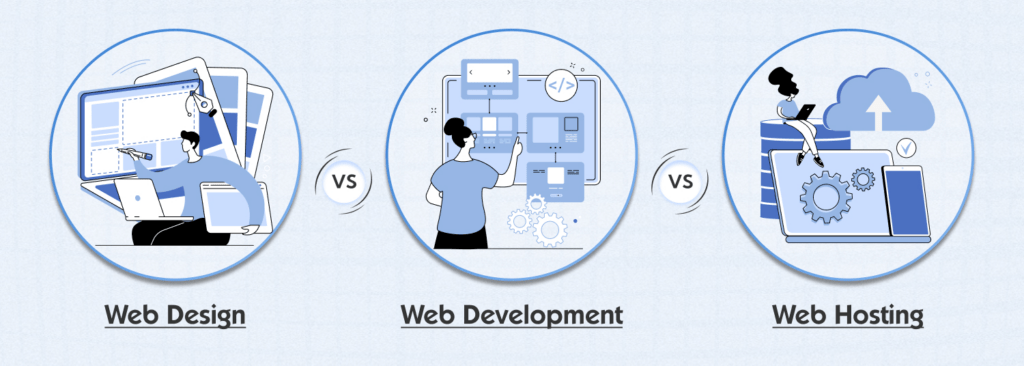
In the digital landscape, establishing an effective online presence necessitates a comprehensive understanding of the distinct yet interconnected roles of web design, web development, and web hosting. Each component plays a vital part in the lifecycle of a website, from conception to maintenance. This article delineates these roles with detailed descriptions, supported by comparative tables, and explores their responsibilities within the website creation and management cycle.
Roles and Responsibilities
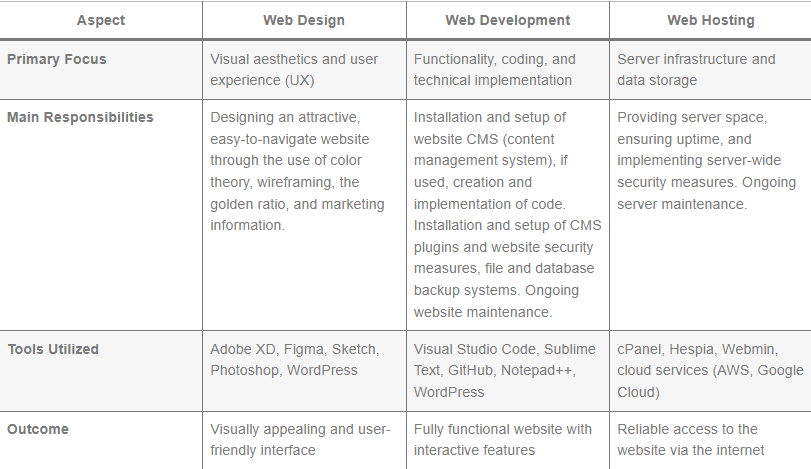
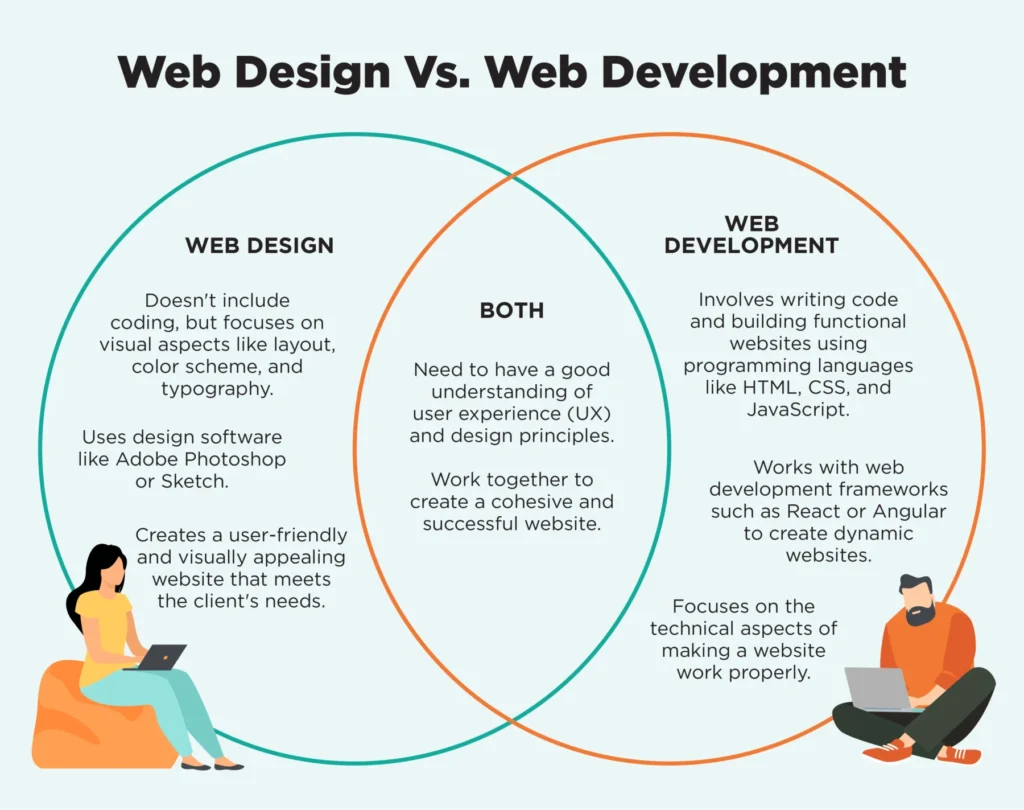
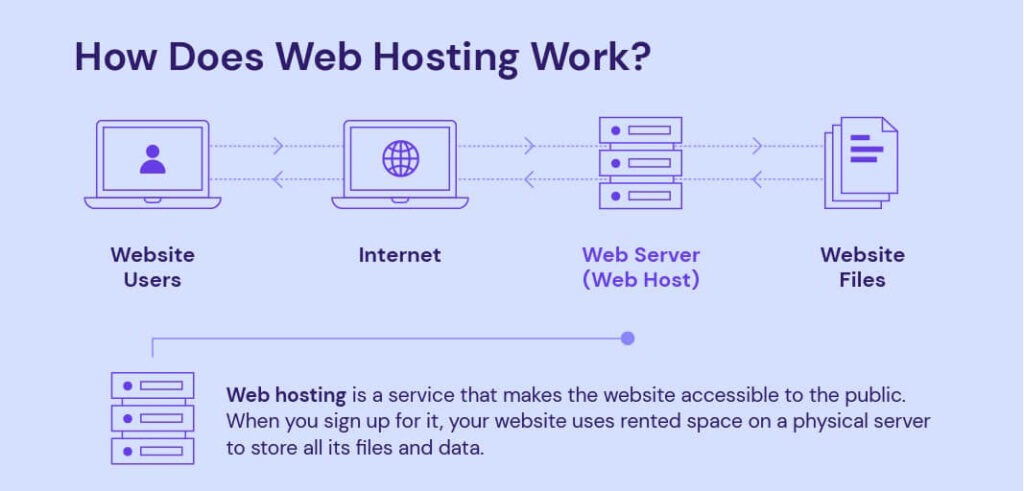
The Website Lifecycle: Design to Maintenance
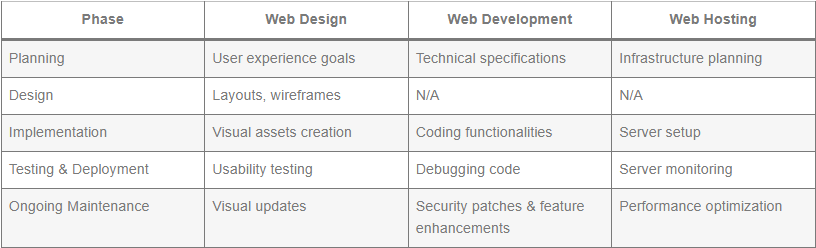
The process of establishing and maintaining a website involves several sequential phases. Understanding how each role contributes to this cycle is essential for effective project management.
1. Planning & Conceptualization
Web Design: Defines the visual structure based on the target audience’s needs.
Web Development: Gathers technical requirements; prepares development environment.
Web Hosting: Selects suitable hosting plans aligned with anticipated traffic and site features.
2. Design Phase
Web Design: Creates mockups and prototypes; focuses on aesthetics and UX.
Web Development: Begins coding based on approved designs.
Web Hosting: Sets up initial server environment.
3. Development Phase
Web Design: Provides feedback for iterative refinements.
Web Development: Implements functionalities such as forms, databases, and e-commerce features. Deploys the site to the server
Web Hosting: Configures domain and account settings.
4. Testing & Launch
Web Design: Design tweaks to adjust to site or server limitations, as needed.
Web Development: Conduct usability testing; fix bugs.
Web Hosting: Ensures server stability; manages DNS propagation.
Launch: The website becomes publicly accessible.
5. Maintenance & Updates
Web Design: Updates visual elements as needed.
Web Development: Adds new features; performs security patches, manages web-based backup solutions, and manages web application firewall and security.
Web Hosting: Monitors server performance; manages system backups.
Comparative Summary Table
Conclusion
A successful website hinges upon the coordinated efforts of web designers who craft engaging interfaces; web developers who bring those designs to life through robust coding; and web hosts who provide the reliable infrastructure necessary for accessibility. Recognizing the distinct responsibilities and understanding their interplay throughout the website lifecycle ensures efficient project execution and sustained online success. Kristen’s Koncepts is a full-featured, full-lifecycle website agency, supporting you through design, development, hosting, and maintenance. With specialized hosting options through our affiliation with the Community Bankers Association of Illinois (CBAI), we provide everything that you need for your website to succeed, even for banks!
Kristen’s Koncepts provides full design, development, and hosting options. For further insights and information on selecting the appropriate services for your specific needs, please contact us.
The post Web Design vs Web Development vs Web Hosting first appeared on Kristens Koncepts.

Related Posts

Industrial Hemp In 2026

Service Upgrade: File & Database Backup Solution